THINGS TO DO IN SAN FRANCISCO, CA
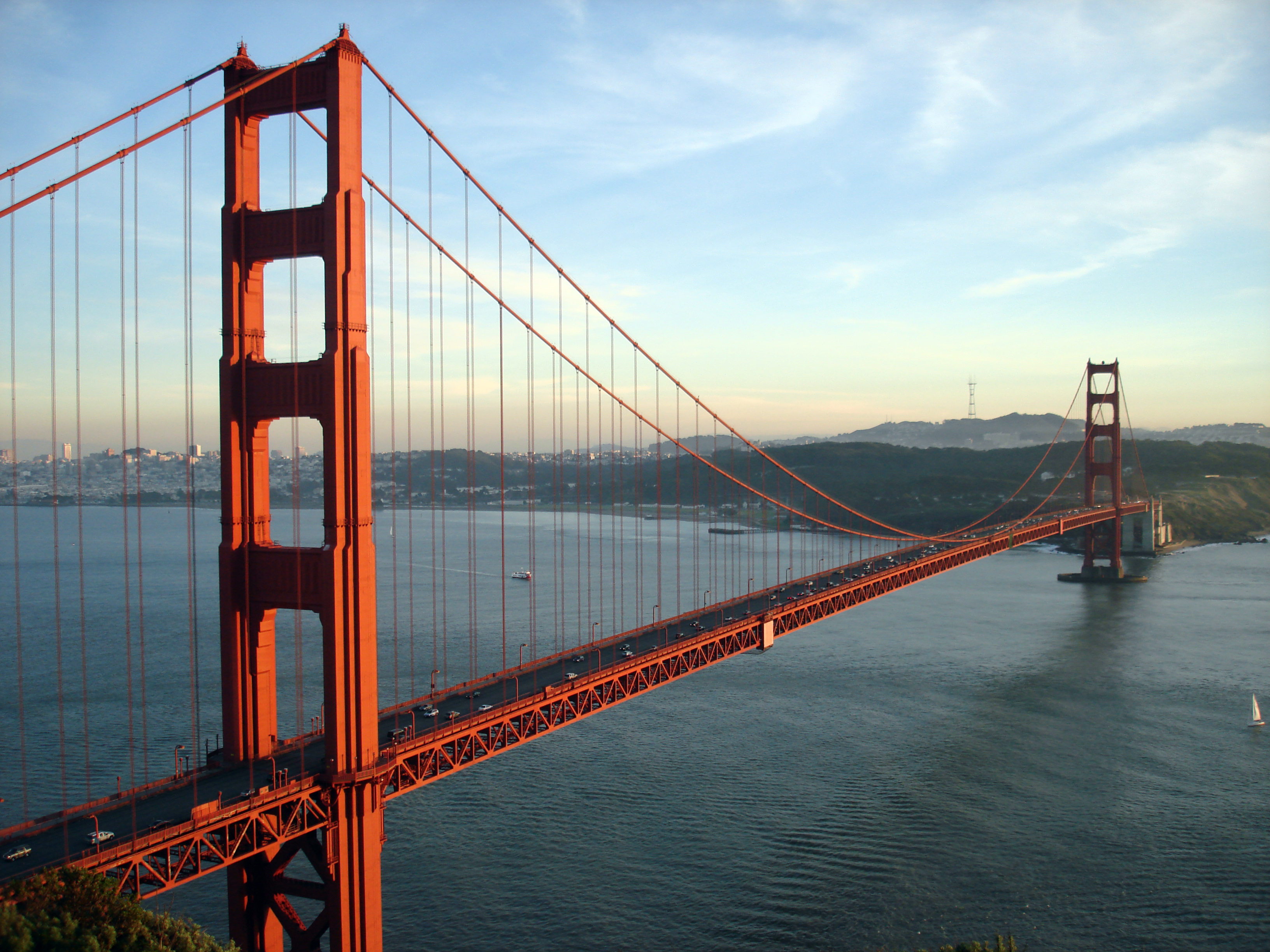
Golden Gate Bridge Welcome Center
The Golden Gate Bridge Welcome Center in San Francisco gives a close-up view of one of the most recognizable suspension bridges in the world, with interpretive exhibits on its steelwork, cables, and seismic engineering. From the plaza and overlooks, visitors can study the bridge’s tower geometry, riveted connections, and maintenance access systems that are critical for long-term corrosion control and coating work. The setting is especially useful for teams interested in large-scale infrastructure preservation and marine environment exposure.
Phone: (415) 426-5220
Alcatraz Island
Alcatraz Island combines a Civil War–era fort, lighthouse, and the reinforced-concrete cellhouse of the former federal penitentiary, all exposed to some of the harshest marine conditions in San Francisco Bay. The island illustrates historic masonry, concrete repair, corrosion mitigation, and envelope stabilization strategies on a windswept rock outcrop. Contractors and preservationists can study how National Park Service projects address spalling, water intrusion, and structural stabilization while maintaining historic fabric.

Phone: (415) 561-4900
Golden Gate Park
Golden Gate Park’s 1,000+ acres include lakes, meadows, and civic buildings that have evolved over more than a century of public works. The park showcases historic retaining walls, bridges, comfort stations, and cultural facilities that have undergone phased rehabilitation, accessibility upgrades, and seismic improvements. For municipalities, it stands as a case study in long-term park infrastructure management, stormwater handling, and incremental restoration of aging structures.
Phone: (415) 831-2700

California Academy of Sciences
The California Academy of Sciences is a LEED Platinum museum and research campus featuring a living roof, extensive glazing, and complex climate-control systems. Its architecture combines long-span steel, concrete podiums, and high-performance envelopes that address daylighting and energy efficiency in a dense urban park setting. Engineers and builders can learn from the integration of green roofs, seismic design, and building systems in a public, high-traffic cultural facility.
Phone: (415) 379-8000

de Young Museum
The de Young Museum combines a perforated copper facade, tower, and landscaped plazas that reinterpret the institution’s original 1895 building after extensive earthquake damage. Over time, its envelope will gradually patina, offering lessons in metal cladding weathering, maintenance planning, and rain-screen design. The museum grounds also highlight how cultural facilities can be integrated with parkland while meeting strict seismic and public safety codes.
Phone: (415) 750-3600

San Francisco Botanical Garden
The San Francisco Botanical Garden features themed plant collections, masonry paths, and small structures set in Golden Gate Park’s microclimates. The site demonstrates how careful grading, paving, and accessible routes can be threaded through sensitive landscapes while managing drainage and root protection. Designers focused on resilient landscape architecture can study how paths, walls, and wayfinding structures age in a heavily used botanical setting.

Phone: (415) 661-1316
Japanese Tea Garden
The Japanese Tea Garden, one of the oldest public Japanese gardens in the United States, includes pagodas, bridges, and stone elements integrated into sculpted topography. The garden showcases traditional timber detailing, ornamental masonry, and water features that demand precise maintenance to prevent settlement, leakage, and surface wear. It’s a useful reference for civic agencies planning culturally themed landscapes that must accommodate high visitor traffic.

Phone: (415) 661-1316
Conservatory of Flowers
The Conservatory of Flowers is a Victorian-era greenhouse and the oldest building in Golden Gate Park, with a wood-and-glass structure set atop a masonry base. Its restoration history includes complex work on framing, glazing systems, and climate control to protect delicate collections in a seismically active region. Preservation teams interested in historic glasshouses and timber-framed envelopes can study best practices in retrofits and moisture management.

Phone: (415) 831-2700
Ocean Beach
Ocean Beach stretches along the city’s western edge, where civic agencies must continually manage dune erosion, coastal structures, and public access in a dynamic environment. It’s an instructive area for engineers working on shoreline stabilization, seawalls, and multi-agency planning for climate resiliency. Visitors can explore beachfront promenades and overlook structures that must withstand wind, salt spray, and shifting sands.
Phone: (415) 831-2700

Lands End and Sutro Baths Ruins
Lands End combines rugged coastal bluffs, reinforced trails, and the concrete ruins of the historic Sutro Baths complex. The site illustrates how failing structures can be stabilized and interpreted safely while allowing the public to explore retaining walls, stairways, and foundations exposed to wave action. Designers interested in coastal trails and adaptive reuse can see how guardrails, overlooks, and signage integrate with sensitive archeological remains.
Phone: (415) 561-4323

Presidio of San Francisco
The Presidio is a former U.S. Army post turned national park site, with brick barracks, officers’ quarters, and coastal batteries adapted for modern uses. Large-scale historic rehabilitation projects here demonstrate seismic strengthening, adaptive reuse of masonry structures, and sensitive infill development on a former military base. Contractors and municipalities can review successful conversions of warehouses and hospitals into offices, housing, and cultural facilities.
Phone: (415) 561-4323

Crissy Field
Crissy Field transforms a former military airfield into a restored tidal marsh, promenade, and recreation area along the bay. The project is widely cited for its brownfield remediation, soft shoreline design, and integration of historic structures with new trails and public amenities. Construction and planning teams can see how resilient landscape and path design interface with existing hangars and bayfront infrastructure.
Phone: (415) 561-4323

Palace of Fine Arts
The Palace of Fine Arts is a monumental Beaux-Arts complex built for the 1915 Panama–Pacific International Exposition, with a classical rotunda, colonnades, and lagoon. Its reconstruction and seismic upgrades provide insight into preserving ornamental concrete, stone cladding, and reflecting-pool edges under modern codes. The venue is frequently used for events, making it a real-world example of how historic shells can support contemporary programming and building systems.
Phone: (415) 855-1607

Fisherman’s Wharf
Fisherman’s Wharf is a historic working waterfront turned major visitor district, with piers, seafood sheds, and retail buildings fronting the bay. Ongoing projects here address wharf decking, bulkhead stabilization, and adaptive reuse of older structures while planning for sea-level rise. It’s an excellent area for teams focused on waterfront resiliency, tenant improvements in aging shells, and streetscape upgrades in a high-traffic tourist zone.
Phone: (415) 673-3530

PIER 39
PIER 39 is a repurposed pier complex featuring retail, dining, and entertainment spaces built on a pile-supported structure over the bay. The design reveals how modern tenant spaces can be inserted within an older maritime framework while addressing structural loading, corrosion protection, and life-safety egress over water. Visitors can also see how the pier’s decks, railings, and viewing platforms accommodate heavy pedestrian volumes.
Phone: (415) 705-5500

Ghirardelli Square
Ghirardelli Square is a pioneering adaptive reuse project that converted a historic chocolate factory complex into a mixed-use plaza. Brick facades, timber framing, and courtyards have been retrofitted for seismic resilience, retail access, and contemporary building systems while preserving the industrial character. Developers interested in reusing factory campuses can study its phased upgrades, circulation strategies, and facade restoration work.
Phone: (415) 775-5500

Coit Tower
Coit Tower rises above Telegraph Hill as a reinforced-concrete Art Deco observation tower decorated with New Deal–era murals at its base. The structure and surrounding Pioneer Park highlight hillside foundations, retaining walls, and envelope maintenance on a prominent vertical landmark. Preservation teams can look at how interior artwork is protected while exterior surfaces confront wind, fog, and solar exposure.
Phone: (415) 249-0995

Lombard Street “Crooked Street”
Lombard Street’s famous switchback block showcases steep-hill urban design with carefully engineered retaining walls, paving, and stairways. The tight curves and planting beds manage grade change while providing traffic calming and pedestrian access on a challenging slope. Engineers and municipal planners can observe how curb geometry, paving materials, and railings work together to keep visitors safe on heavily photographed city streets.

Chinatown and Dragon Gate
San Francisco’s Chinatown is one of the oldest in North America, with mixed-use buildings, alleys, and the landmark Dragon Gate at its southern entrance. The district illustrates brick and masonry restoration, fire escapes, and facade upgrades carried out while maintaining dense commercial and residential occupancy. Dragon Gate itself demonstrates how symbolic gateways and streetscape elements can anchor a cultural corridor.

Ferry Building Marketplace
The Ferry Building is a Beaux-Arts transit terminal repurposed as a market hall, with a clock tower facing the Embarcadero. After major seismic and flood-resiliency upgrades, its interior arcade now houses food vendors beneath restored steel trusses and clerestory glazing. The project is a key reference for waterfront adaptive reuse, combining transit functions, retail, and historic envelope rehabilitation.
.jpg)
Phone: (415) 983-8000
Union Square
Union Square is a central public plaza surrounded by hotels and retail towers, featuring granite paving, steps, and landscaped terraces. The square has undergone redesigns to improve accessibility, event capacity, and subsurface garage integration. It serves as a model for how hardscaped civic spaces manage loading, waterproofing, and wear from continuous public events in a dense downtown context.

San Francisco Museum of Modern Art (SFMOMA)
SFMOMA’s expanded building interlocks a sculptural new addition with the original Mario Botta–designed museum, creating a complex urban massing. The facade mixes textured FRP panels, glazing, and masonry accents, offering a case study in contemporary envelope systems on a tight downtown site. Inside, large-span gallery floors and atria demonstrate strategies for daylight control, vibration performance, and flexible exhibition layouts.
Phone: (415) 357-4000

Yerba Buena Gardens
Yerba Buena Gardens is a multi-level urban park built over convention and parking facilities, with lawns, waterfalls, and public art. The project illustrates structural slab design supporting soil and water features, as well as careful detailing of plaza waterproofing and drainage. Municipalities planning rooftop or podium parks can draw lessons from its integration of cultural venues, children’s facilities, and memorial spaces into one cohesive campus.

Exploratorium at Pier 15
The Exploratorium occupies a rehabilitated pier complex on the Embarcadero, turning former maritime sheds into interactive science galleries. The project combines seismic strengthening of pier structures with daylighting, natural ventilation strategies, and high-performance glazing. It’s a strong example of how industrial waterfront assets can be reused for education while meeting strict energy and resiliency goals.

Phone: (415) 528-4444
San Francisco Cable Car Museum
The San Francisco Cable Car Museum sits within the Washington–Mason powerhouse, where operating machinery drives the city’s historic cable lines. Visitors can view sheaves, cables, and motors in a functioning industrial space that has been adapted to public use. For engineers and contractors, it highlights structural, noise, and vibration issues in active transportation facilities that double as heritage attractions.
Phone: (415) 474-1887

San Francisco City Hall
San Francisco City Hall is a grand Beaux-Arts building with a prominent dome, monumental stair, and richly detailed stone interiors. After the 1989 Loma Prieta earthquake, it underwent a major base-isolation retrofit, making it a global reference for seismic upgrades on historic civic buildings. Architects and public works teams can study its stone cladding, dome restoration, and interior finishes as examples of high-level municipal craftsmanship.
Phone: (415) 554-4933

Asian Art Museum
The Asian Art Museum occupies the former main library building, a classical structure converted into a modern museum at Civic Center. Its renovation showcases how historic exteriors can be preserved while interiors are reorganized for galleries, seismic bracing, and climate control. The project is a strong reference for municipalities adapting civic buildings to new cultural uses.
Phone: (415) 581-3500

Mission San Francisco de Asís (Mission Dolores)
Mission Dolores includes the oldest surviving structure in San Francisco, with thick adobe walls, timber roofs, and a later basilica addition. The site shows seismic retrofits and conservation work on adobe and plaster under active religious and tourism use. Preservationists can see how drainage, roof details, and interior environmental conditions are controlled to extend the life of fragile mission-era fabric.

Balmy Alley Murals
Balmy Alley is a narrow Mission District lane lined with community murals painted on garages, fences, and rear facades. The corridor highlights how alleyways can be activated as cultural infrastructure while prompting discussions about moisture, surface prep, and coating longevity on aging walls. Visitors experience an outdoor gallery that blends art, residential back-of-house conditions, and public right-of-way design.

The Castro Theatre
The Castro Theatre is a landmark movie palace with a Spanish Baroque facade, ornate plaster interiors, and a classic marquee. It illustrates the challenges of modernizing cinema and performance venues while preserving historic seating bowls, balconies, and ornamental ceilings. For restoration contractors, the building offers real-world examples of plaster conservation, acoustic upgrades, and marquee rehabilitation.

Twin Peaks
Twin Peaks offers panoramic views from one of San Francisco’s highest points, accessed by winding roads, stairs, and viewing terraces. The site shows how guardrails, slopes, and pavements are handled on exposed ridgelines experiencing high wind and visitor traffic. Planners can examine how overlooks and trails are laid out to protect sensitive vegetation while providing safe, accessible viewpoints.

San Francisco Zoo & Gardens
The San Francisco Zoo & Gardens occupies a coastal site with animal habitats, service buildings, and landscaped visitor routes. Many exhibits represent phased upgrades from older concrete enclosures to more naturalistic environments, illustrating evolving standards in animal welfare and public safety barriers. Facility managers can observe how back-of-house infrastructure and utilities support a complex zoo campus exposed to ocean weather.
Phone: (415) 753-7080

San Francisco Maritime National Historical Park (Hyde Street Pier)
San Francisco Maritime National Historical Park centers on Hyde Street Pier, where historic ships are moored alongside timber pier infrastructure. The park is a living laboratory for timber pile maintenance, fender systems, and pier deck rehabilitation under heavy visitor use. In addition to the vessels, the landside visitor facilities show how interpretive spaces can be inserted into historic waterfront fabric.

Fort Point National Historic Site
Fort Point is a brick Civil War–era fortification tucked beneath the southern end of the Golden Gate Bridge. Its multi-level casemates, granite trim, and exposed brick vaults have been stabilized for public access in a marine environment that challenges masonry durability. The structure also illustrates how new circulation elements and safety rails can be inserted into historic fabric with minimal visual impact.

Angel Island State Park
Angel Island is accessible by ferry from San Francisco and preserves former immigration station buildings, military structures, and coastal batteries amidst open space. The island highlights wood-frame and masonry rehabilitation in a remote setting, along with trail, ferry-dock, and visitor-center improvements. For agencies managing island or park facilities, it offers insight into logistics, phasing, and resource protection.

Oracle Park
Oracle Park, home of the San Francisco Giants, is a contemporary ballpark positioned directly on the bay with steel seating bowls, brick facades, and extensive concourse areas. Its design addresses crowd flow, marine exposure, and integration with the surrounding South Beach neighborhood fabric. Stadium designers and contractors can observe how premium spaces, concourses, and service levels are stacked within a tight urban footprint.
Phone: (415) 972-1800

Chase Center
Chase Center is a state-of-the-art arena on the waterfront, hosting the Golden State Warriors and major events. The building’s sweeping facade, integrated plaza, and adjacent office towers show how a large venue can anchor a new mixed-use district. From a construction perspective, it highlights complex structural systems, crowd management, and coordination with transit and public open space.

Baker Beach
Baker Beach lies just west of the Presidio, offering views of the Golden Gate Bridge from a sandy shoreline backed by bluffs. The area showcases bluff-erosion control, stairway access, and dune restoration in a popular recreational setting. Planners and engineers can examine how parking, restrooms, and trails are fitted into a sensitive coastal zone while managing visitor safety.

Fort Mason Center for Arts & Culture
Fort Mason Center repurposes former U.S. Army waterfront warehouses into galleries, offices, and event spaces overlooking the bay. The campus illustrates adaptive reuse of long-span industrial structures, including work on concrete slabs, steel frames, and exterior envelopes exposed to marine air. It’s a practical reference for developers converting government or port facilities into creative and civic hubs.

Treasure Island and Bay Bridge Vista
Treasure Island, an artificial landform in the bay, offers sweeping views of downtown and the Bay Bridge while undergoing large-scale redevelopment. Its street grid, utilities, and shoreline protections are being reimagined for new housing and open space under strict seismic and sea-level-rise criteria. For civil engineers and planners, the island is a live case study in building an urban district on reclaimed land.
